British qualifications, earned in Dubai.
IBTE Dubai delivers UK-regulated NCC Education diplomas and Pearson BTEC Higher Nationals from a single campus in the world's most connected city taught on campus, with full-time, part-time and evening timetables.

Trusted and well-established
Experience our cutting-edge, recognized education system that offers affordable pathways to a successful career, empowering you like never before.
33
Programmes across Levels 3–5
2
UK awarding organisations
100%
Taught on campus, in person
1
Campus: Dubai, undivided focus
Why choosing us?
Everything we have, in one place
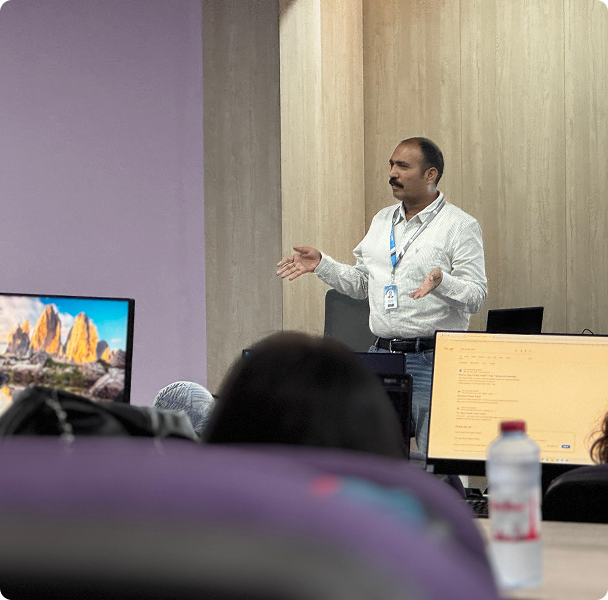
We are not a network stretched thin. IBTE Dubai is one campus with one job: get every student here through a recognised British qualification and into work or onward study.

Small cohorts and named academic mentors you are known by your tutors, not by a student number.

Qualifications regulated in the UK and delivered under KHDA authorisation in Dubai.

Timetables built around working students, with evening and weekend options.

Assessment by coursework and applied projects, not one high-stakes exam.

Career support drawn from Dubai's employer base, from startups in DIFC to multinationals in the free zones.
Three commitments we hold ourselves to
Recognised, not improvised
Every programme we teach is awarded by NCC Education or Pearson UK organisations whose qualifications are understood by universities and employers worldwide. Your certificate is issued by them, not by us.
Affordable by design
We publish our fees, keep them low relative to a UK campus, and offer instalment plans so that cost is a schedule to manage rather than a door that closes.
Built around your week
Full-time, part-time and evening timetables run in parallel, so a job, a family or a visa timeline does not have to cost you a year of study.
How we compare
Other institutions
IBTE
Tuition Fee StructureHow and when tuition has to be paid across the academic year.
Upfront / Yearly or Semester
Monthly / or in Advance
Accommodation FacilitationWhether the institution helps you find and secure a place to live in Dubai.
Sometimes
Yes. All the Times
International QualificationWhether the certificate you graduate with is recognised outside the UAE.
No
Yes
Two British routes, one campus
Start where your prior study leaves off at Level 3 foundation, or straight into a Higher National at Level 4 or 5 and finish with a qualification employers recognise.
NCC Education
A UK awarding organisation established in 1966 and regulated by Ofqual, with qualifications listed on England's Regulated Qualifications Framework. Foundation, business and computing pathways including specialist Level 5 routes in cyber security and data science.
Level 3 International Foundation Diploma for Higher Education Studies
Level 3, 4 and 5 Diplomas in Business
Level 3, 4 and 5 Diplomas in Computing, with Business Management, Cyber Security or Data Science options
Pearson BTEC Higher Nationals

Career-focused HNCs and HNDs from the UK's largest awarding organisation. Academic knowledge paired with applied, workplace-shaped assessment designed for direct progression into employment.
Business eight specialist pathways from Accounting & Finance to Law
Computing six pathways including Cybersecurity and Data Analytics
Architectural Technology, Civil Engineering, Mechanical Engineering, Hospitality Management
Level 3 · Foundation
International Foundation Diploma or a Level 3 Diploma in Business or Computing. The bridge from a school-leaving certificate into higher education.
Level 4 · Certificate
A Level 4 Diploma or BTEC Higher National Certificate the first stage of higher education, built around applied units you can put straight to work.
Level 5 · Diploma
A Level 5 Diploma or BTEC Higher National Diploma with a specialist pathway. The highest level we deliver at the Dubai campus, and a recognised professional qualification in its own right.
Our Programs
Explore the diverse range of programs we provide, designed to meet the specific requirements and goals of our students.
NCC Education Programs

Pearson BTEC Programs
Upcoming Programs

Acting
The Acting programme develops performance skills for theatre, film, and live productions. Students learn voice control, movement, character development, and stage presence. The course encourages creativity, confidence, and expressive communication. Practical workshops and performance-based learning are central to the programme. Graduates can progress into acting, theatre, media, and creative arts careers.
Aeronautical Engineering
The Aeronautical Engineering programme introduces students to the principles of aircraft design, systems, and maintenance. It covers aerodynamics, propulsion, materials, and aviation technologies. Students develop technical knowledge alongside problem-solving and analytical skills. The programme combines theoretical understanding with practical engineering applications. It prepares learners for further study and careers in aviation and aerospace industries.
Agriculture
The Agriculture programme provides students with knowledge of modern farming practices and sustainable food production. It explores crop cultivation, soil management, agricultural technology, and environmental awareness. Students gain practical and theoretical understanding of the agricultural sector. The course emphasizes innovation, sustainability, and resource management. Graduates are prepared for careers in farming, agribusiness, and agricultural development.
Animal Conservation and Countryside Management
This programme focuses on wildlife protection, habitat management, and environmental conservation. Students learn about biodiversity, ecosystems, and sustainable countryside practices. The course develops practical skills for managing natural environments responsibly. It combines field-based learning with theoretical environmental knowledge. Graduates can pursue careers in conservation, wildlife management, and countryside services.
Animal Management
The Animal Management programme develops knowledge and practical skills in animal care, welfare, and behavior. Students explore animal health, nutrition, handling, and management in different settings. The programme promotes responsible and ethical approaches to animal care. Practical learning supports understanding of both domestic and non-domestic animals. It prepares students for careers in animal care, welfare, and related industries.
Animation
The Animation programme introduces students to the creative and technical processes behind digital animation. It covers storytelling, character design, 2D and 3D animation, and visual development. Students use industry-relevant tools to create engaging animated content. The course encourages imagination, creativity, and technical precision. Graduates can progress into animation, media production, and digital design careers.
Applied Sciences
The Applied Sciences programme builds a strong foundation in biology, chemistry, and physics. Students develop scientific knowledge through practical experiments and laboratory work. The course strengthens analytical thinking, research, and problem-solving skills. It connects scientific principles to real-world applications and industry practice. Graduates are well prepared for further study or careers in science and healthcare-related fields.
Art and Design
The Art and Design programme encourages creativity, experimentation, and visual expression. Students explore a range of artistic techniques, materials, and design processes. The course supports the development of personal style and professional creative skills. Practical projects help learners build portfolios for future opportunities. It prepares students for progression into art, design, and creative industries.
Fashion and Textiles
The Fashion and Textiles programme introduces students to design, garment creation, and textile development. It explores fashion trends, materials, pattern cutting, and creative styling. Students gain both practical making skills and design knowledge. The programme encourages innovation, visual awareness, and industry-focused creativity. Graduates can progress into fashion design, textiles, and related creative careers.
Fine Art
The Fine Art programme supports students in developing creative, technical, and conceptual artistic skills. It covers drawing, painting, sculpture, mixed media, and visual exploration. Students are encouraged to experiment and build their own artistic identity. The course combines studio practice with critical reflection and creative development. It prepares learners for careers or further study in fine art and related disciplines.
Graphic Design
The Graphic Design programme develops skills in visual communication, branding, and digital design. Students learn layout, typography, image creation, and creative software applications. The course encourages both artistic creativity and problem-solving through design. Practical projects help learners build professional portfolios for future opportunities. Graduates can progress into graphic design, branding, advertising, and digital media careers.
Interior Design
The Interior Design programme teaches students how to create functional, attractive, and user-focused spaces. It covers space planning, design concepts, materials, and visual presentation. Students develop both creative and technical skills for interior environments. The course encourages innovation, design thinking, and attention to detail. It prepares graduates for further study or careers in interior design and space planning.
Photography
The Photography programme develops technical and creative skills in digital image creation. Students learn camera techniques, composition, lighting, editing, and visual storytelling. The course encourages creativity while building strong practical skills in image production. Learners explore both artistic and commercial photography approaches. Graduates can progress into photography, media, and visual content creation careers.
Product Design
The Product Design programme combines creativity, innovation, and practical problem-solving. Students learn how to design products that meet user needs and market demands. The course explores design processes, materials, prototyping, and presentation skills. Practical projects help students develop ideas from concept to finished design. It prepares learners for careers in product design, innovation, and creative development.
Automation and Control Engineering
This programme focuses on automated systems, industrial control, and engineering technologies. Students learn about sensors, robotics, programmable systems, and control processes. The course develops technical, analytical, and problem-solving skills for modern industries. Practical applications help learners understand real engineering environments. Graduates can progress into automation, manufacturing, and industrial engineering careers.
Automotive Engineering
The Automotive Engineering programme introduces students to vehicle systems, maintenance, and engineering design. It covers engine technology, diagnostics, mechanical systems, and modern automotive developments. Students gain practical and theoretical knowledge of the automotive sector. The course emphasizes technical accuracy, innovation, and engineering problem-solving. It prepares graduates for careers in vehicle engineering, maintenance, and automotive technology.
Building Services Engineering
The Building Services Engineering programme focuses on the systems that make buildings safe, efficient, and comfortable. Students learn about heating, ventilation, lighting, water, and energy systems. The course develops technical knowledge of building design and system integration. Practical and theoretical learning supports understanding of modern building performance. Graduates can progress into construction, building services, and engineering careers.
Early Childhood Education and Care
This programme prepares students to support the learning, development, and wellbeing of young children. It explores child development, safeguarding, play-based learning, and educational practice. Students gain practical understanding of early years settings and care environments. The course emphasizes nurturing, communication, and child-centered approaches. Graduates can progress into early childhood education, childcare, and support roles.
Cloud Computing
The Cloud Computing programme introduces students to modern cloud technologies and digital infrastructure. It covers cloud platforms, storage, virtualization, deployment, and online services. Students develop practical skills in managing and supporting cloud-based solutions. The course prepares learners for the growing demands of digital transformation in organizations. Graduates can progress into IT support, cloud administration, and infrastructure-related careers.
Computer Science
The Computer Science programme builds strong foundations in programming, algorithms, and software development. Students learn how computer systems work and how to solve problems using technology. The course develops analytical thinking, coding skills, and logical reasoning. Practical projects help learners apply computing knowledge to real-world challenges. Graduates can progress into software, technology, and computer-related career pathways.
Digital Technologies
The Digital Technologies programme introduces students to modern digital tools, systems, and emerging technologies. It covers key areas such as software, hardware, digital communication, and innovation. Students develop practical skills that support digital transformation across industries. The course encourages problem-solving, adaptability, and technical confidence. Graduates can progress into a wide range of technology and digital-focused careers.
Computer Systems Engineering
The Computer Systems Engineering programme combines principles of computing and engineering to develop advanced technical solutions. Students learn about computer hardware, embedded systems, networking, and system integration. The course builds strong analytical, technical, and problem-solving skills. Practical learning helps students understand how computer systems operate in real-world environments. Graduates can progress into computing, systems design, and engineering-related careers.
Construction
The Construction programme provides students with essential knowledge of building methods, materials, and construction practices. It covers health and safety, project planning, and the practical aspects of the construction industry. Students develop an understanding of how construction projects are managed and delivered. The course combines technical knowledge with real-world industry awareness. Graduates are prepared for further study or careers within the construction sector.
Construction and the Built Environment
This programme explores the key principles of construction, design, and the built environment. Students learn about building technology, surveying, planning, and project processes. The course develops practical and technical understanding of how modern infrastructure is designed and delivered. Learners gain insight into the roles and responsibilities within the built environment sector. Graduates can progress into construction, surveying, design, and related professional pathways.
Construction Management
The Construction Management programme prepares students to lead and coordinate construction projects effectively. It covers project planning, budgeting, resource allocation, health and safety, and team management. Students develop the knowledge needed to oversee construction activities from start to completion. The course combines technical understanding with leadership and organizational skills. Graduates can progress into construction supervision, project support, and management roles.
Future Homes Design and Construction
The Future Homes Design and Construction programme focuses on innovative and sustainable housing solutions. Students explore modern design principles, smart technologies, and environmentally responsible construction methods. The course develops understanding of how future homes can be efficient, adaptable, and user-focused. Learners gain insight into both design and practical construction approaches. Graduates are prepared for progression into modern construction, housing design, and sustainable development careers.
Modern Methods of Construction
This programme introduces advanced construction techniques used in today’s fast-changing building industry. Students learn about off-site manufacturing, modular construction, prefabrication, and innovative building systems. The course emphasizes efficiency, sustainability, and modern project delivery methods. Practical and theoretical learning helps students understand the future of construction. Graduates can progress into construction technology, project support, and modern building environments.
Counselling and Applied Psychology
The Counselling and Applied Psychology programme helps students understand human behavior, emotions, and wellbeing. It introduces key concepts in psychology, communication, and supportive counselling approaches. Students develop listening, empathy, and interpersonal skills in a professional context. The course encourages reflective practice and understanding of mental and emotional support. Graduates can progress into further study or support roles in education, care, and community services.
Creative Media Production
The Creative Media Production programme develops practical and creative skills for producing digital and visual media content. Students explore video, audio, editing, storytelling, and content creation techniques. The course combines creativity with technical knowledge of media tools and production processes. Learners build portfolios through project-based and industry-relevant work. Graduates can progress into media, content creation, and creative production careers.
Directing
The Directing programme prepares students to lead creative productions across stage, screen, and media environments. It focuses on storytelling, artistic vision, planning, and performance direction. Students learn how to manage creative teams and shape productions from concept to final outcome. The course develops leadership, communication, and creative decision-making skills. Graduates can progress into directing, production, and broader creative industry roles.
Electrical and Electronic Engineering
The Electrical and Electronic Engineering programme develops knowledge of electrical systems, circuits, and electronic technologies. Students learn about power systems, components, design, and modern engineering applications. The course combines technical theory with practical problem-solving and system analysis. Learners gain skills relevant to a wide range of engineering and industrial sectors. Graduates can progress into electrical, electronic, and engineering-related career pathways.
Electrical Systems Engineering
This programme focuses on the design, installation, and maintenance of electrical systems in modern environments. Students explore power distribution, control systems, safety standards, and system performance. The course develops technical knowledge alongside practical engineering skills. Learners gain an understanding of how electrical systems support buildings, industry, and infrastructure. Graduates can progress into electrical engineering, installation, and maintenance roles.
Electronic and Electrical Systems Engineering
The Electronic and Electrical Systems Engineering programme combines electrical and electronic principles in one integrated pathway. Students learn about circuits, control systems, power technologies, and electronic components. The course develops practical and theoretical skills for designing and maintaining modern systems. Learners gain experience in applying engineering knowledge to real-world technical challenges. Graduates can progress into a wide range of engineering and technical careers.
Electronic Systems Engineering
The Electronic Systems Engineering programme focuses on the design, testing, and maintenance of electronic systems. Students study circuits, embedded technologies, signal processing, and control systems. The course develops technical accuracy, analytical thinking, and practical problem-solving skills. Learners explore how electronic systems are used in modern devices and industries. Graduates can progress into electronics, automation, and engineering-related roles.
Film and Television
The Film and Television programme introduces students to the creative and technical processes behind screen production. It covers storytelling, filming, editing, production planning, and media development. Students gain hands-on experience in creating content for film, television, and digital platforms. The course encourages creativity, collaboration, and professional production skills. Graduates can progress into media production, broadcasting, and creative screen industries.
Game Development
The Game Development programme combines creativity and technology to design interactive digital experiences. Students learn programming, game design, storytelling, testing, and development tools. The course builds both technical and creative skills required for modern game production. Practical projects help learners develop playable games and portfolio work. Graduates can progress into game design, development, and interactive media careers.
Health and Social Care Practice
The Health and Social Care Practice programme prepares students to support individuals in health and care environments. It explores wellbeing, safeguarding, communication, and person-centered approaches to care. Students develop practical understanding of professional responsibilities in support settings. The course emphasizes empathy, ethics, and effective service delivery. Graduates can progress into further study or roles in health and social care sectors.
Healthcare Practice
The Healthcare Practice programme develops the knowledge and skills needed to work in healthcare-related environments. Students explore patient support, healthcare systems, communication, and safe working practices. The course builds awareness of professional standards and person-centered care. Practical learning helps students understand real healthcare settings and responsibilities. Graduates can progress into healthcare support roles or further study in health professions.
Healthcare Professions’ Support for England
This programme prepares students to assist healthcare professionals in delivering effective and safe care services. It covers communication, patient support, teamwork, and professional healthcare practices. Students gain practical understanding of healthcare environments and service delivery standards. The course focuses on person-centered care and professional responsibility. Graduates can progress into healthcare support roles or further study in health-related pathways.
Horticulture
The Horticulture programme develops practical and theoretical knowledge of plant cultivation and green space management. Students learn about plant care, landscaping, sustainable growing methods, and horticultural environments. The course combines hands-on learning with scientific understanding of plant development. Learners build skills that support careers in gardening, landscaping, and environmental sectors. Graduates can progress into horticulture, grounds management, and related industries.
Journalism
The Journalism programme develops the skills needed to research, write, and report stories across modern media platforms. Students learn news writing, interviewing, investigation, and multimedia storytelling techniques. The course builds strong communication, critical thinking, and ethical awareness. Practical projects help learners create content for print, broadcast, and digital media. Graduates can progress into journalism, media, and communications-related careers.
Leadership and Management
The Leadership and Management programme prepares students to lead teams and support organizational success. It explores communication, decision-making, strategic thinking, and people management. Students develop practical skills in leadership, planning, and problem-solving. The course encourages confidence, professionalism, and effective workplace performance. Graduates can progress into supervisory, management, and leadership roles across various sectors.
Make Up and Hair Artistry
The Make Up and Hair Artistry programme develops creative and professional skills in beauty, styling, and image design. Students learn make-up techniques, hairstyling, client consultation, and presentation skills. The course combines practical artistry with knowledge of trends, products, and professional standards. Learners build confidence through hands-on projects and portfolio development. Graduates can progress into beauty, fashion, media, and performance-related industries.
Manufacturing Engineering
The Manufacturing Engineering programme introduces students to modern production systems and engineering processes. It covers materials, machinery, quality control, and manufacturing technologies. Students develop technical knowledge alongside practical problem-solving and process improvement skills. The course supports understanding of how products are designed, produced, and optimized. Graduates can progress into manufacturing, production, and engineering-related careers.
Manufacturing Operations
The Manufacturing Operations programme focuses on the management and efficiency of production environments. Students learn about workflow, resource planning, quality assurance, and operational performance. The course develops practical understanding of how manufacturing systems are organized and improved. Learners build skills in process coordination, problem-solving, and operational decision-making. Graduates can progress into manufacturing support, operations, and production management roles.
Mechatronics
The Mechatronics programme combines mechanical, electronic, and computing principles in one innovative pathway. Students learn about robotics, automation, control systems, and intelligent machines. The course develops technical, analytical, and practical engineering skills. Learners gain experience in understanding how integrated systems operate in modern industries. Graduates can progress into automation, robotics, and advanced engineering careers.
Music
The Music programme develops performance, creativity, and technical understanding across a range of musical disciplines. Students explore music theory, composition, performance, and production techniques. The course encourages artistic expression while building professional musical skills. Practical workshops and performance opportunities help learners develop confidence and versatility. Graduates can progress into music performance, production, education, and creative industry roles.
Music Business
The Music Business programme explores the commercial and professional side of the music industry. Students learn about artist management, marketing, promotion, branding, and industry operations. The course combines business knowledge with understanding of the music sector. Learners develop practical skills that support careers in music management and creative enterprise. Graduates can progress into music business, event management, promotion, and entertainment-related roles.
Music Performance
The Music Performance programme is designed to develop strong practical and expressive performance skills. Students refine technique, stage confidence, repertoire, and live presentation abilities. The course encourages creativity, discipline, and artistic growth in solo and group settings. Practical rehearsals and performance opportunities are central to the learning experience. Graduates can progress into live performance, music education, and wider creative careers.
Music Production
The Music Production programme introduces students to recording, editing, mixing, and audio production techniques. It explores studio practice, sound design, music technology, and production workflows. Students develop both technical and creative skills using industry-relevant tools. The course supports the creation of professional-quality music projects and portfolios. Graduates can progress into music production, audio engineering, and digital content creation careers.
Musical Theatre
The Musical Theatre programme combines acting, singing, and movement in a performance-focused learning environment. Students develop stage presence, vocal technique, choreography, and character interpretation. The course encourages versatility, creativity, and confidence in live performance settings. Practical workshops and production opportunities support professional artistic development. Graduates can progress into theatre, performance, and entertainment industry careers.
Nuclear Engineering
The Nuclear Engineering programme introduces students to the principles of nuclear systems, energy production, and safety. It covers reactor technologies, radiation awareness, engineering processes, and technical analysis. Students develop strong analytical and technical skills relevant to this specialized field. The course combines theoretical understanding with practical engineering applications. Graduates can progress into further study or careers in energy, engineering, and technical industries.
Operations Engineering
The Operations Engineering programme focuses on improving technical systems, performance, and engineering operations. Students learn about maintenance, process efficiency, system reliability, and operational planning. The course develops practical problem-solving and analytical skills for industrial environments. Learners gain an understanding of how engineering operations support productivity and quality. Graduates can progress into operations, maintenance, and technical engineering roles.
Performing Arts
The Performing Arts programme develops creative performance skills across theatre, movement, voice, and live presentation. Students build confidence, expression, and stage presence through practical workshops and productions. The course encourages creativity, collaboration, and artistic growth in performance settings. Learners explore a range of styles and performance techniques. Graduates can progress into theatre, entertainment, and broader creative arts pathways.
Physical Education
The Physical Education programme introduces students to sport, fitness, teaching methods, and physical activity development. It explores movement, coaching, health, and the role of physical education in learning environments. Students develop communication, leadership, and practical instruction skills. The course supports progression into education, coaching, and sports-related careers. Graduates can pursue further study or employment in sport, fitness, and educational settings.
Policing
The Policing programme provides students with an understanding of law enforcement, public safety, and community-focused practice. It covers investigation, legal awareness, communication, and professional conduct. Students develop knowledge of policing roles, responsibilities, and modern challenges. The course emphasizes ethics, teamwork, and public service values. Graduates can progress into policing-related pathways, public safety roles, or further study.
Public Services
The Public Services programme prepares students for careers in uniformed and community service sectors. It develops teamwork, leadership, communication, and problem-solving skills in service-focused contexts. Students explore public service roles, responsibilities, and operational practices. The course encourages discipline, resilience, and professionalism. Graduates can progress into public services, emergency services, and related career pathways.
Quantity Surveying
The Quantity Surveying programme focuses on the financial and contractual aspects of construction projects. Students learn about cost planning, budgeting, procurement, and project financial control. The course develops analytical, organizational, and problem-solving skills for the built environment sector. Learners gain practical understanding of how to manage construction costs effectively. Graduates can progress into surveying, construction finance, and project support roles.
Rail Engineering
The Rail Engineering programme introduces students to railway systems, infrastructure, and transport engineering operations. It covers track systems, maintenance, safety, and the technical requirements of rail environments. Students develop practical and theoretical understanding of rail industry standards and systems. The course supports progression into transport, infrastructure, and engineering-related pathways. Graduates can pursue careers in rail engineering, maintenance, and transport operations.
Screen Writing
The Screen Writing programme develops storytelling and scriptwriting skills for film, television, and digital media. Students learn narrative structure, dialogue writing, character development, and script formatting. The course encourages creativity while building professional writing techniques for screen-based content. Practical projects help learners develop original scripts and portfolio work. Graduates can progress into writing, media production, and creative content development careers.
Social and Community Work
The Social and Community Work programme prepares students to support individuals, families, and communities in a professional and compassionate way. It explores wellbeing, safeguarding, inclusion, advocacy, and community development. Students develop communication, empathy, and problem-solving skills for people-focused roles. The course emphasizes ethical practice, social responsibility, and effective support services. Graduates can progress into community support, social care, and related professional pathways.
Sound Engineering
The Sound Engineering programme develops technical and creative skills in audio production and sound technology. Students learn recording, mixing, live sound, acoustics, and sound system operation. The course combines practical studio work with technical understanding of professional audio environments. Learners build skills in both creative production and technical sound management. Graduates can progress into music production, live events, broadcasting, and audio engineering careers.
Sound Media
The Sound Media programme explores the creative and technical use of audio across modern media platforms. Students learn sound design, audio editing, recording, and media production techniques. The course supports the development of creative storytelling through sound. Practical projects help learners build confidence using industry-relevant tools and workflows. Graduates can progress into audio media, digital content creation, and sound production careers.
Space Technologies
The Space Technologies programme introduces students to the exciting field of space systems and aerospace innovation. It covers satellite technology, space exploration, engineering principles, and emerging developments in the sector. Students develop technical understanding and analytical skills relevant to modern space-related industries. The course combines theoretical knowledge with awareness of future technological advancements. Graduates can progress into aerospace, engineering, and advanced technology pathways.
Sport and Exercise Science
The Sport and Exercise Science programme explores human performance, fitness, and the science behind physical activity. Students learn about anatomy, physiology, biomechanics, and training principles. The course develops practical and analytical skills for supporting health, fitness, and sports performance. Learners gain knowledge that connects science to real-world sport and exercise settings. Graduates can progress into sport, fitness, health, and exercise-related careers.
Technical Arts
The Technical Arts programme develops specialist production skills that support stage, screen, and live performance environments. Students learn about lighting, sound, staging, backstage operations, and technical coordination. The course combines creative understanding with practical technical expertise. Learners build confidence in supporting professional productions and events. Graduates can progress into theatre production, events, technical support, and creative industry roles.
Travel and Tourism Management
The Travel and Tourism Management programme prepares students for careers in the global tourism and hospitality industries. It covers customer service, destination management, tourism operations, travel planning, and business skills. Students develop knowledge of how the travel sector functions in both local and international contexts. The course emphasizes communication, service excellence, and industry awareness. Graduates can progress into tourism, travel operations, hospitality, and management roles.
Visual Effects
The Visual Effects programme introduces students to digital effects used in film, television, gaming, and media production. It covers compositing, CGI, motion graphics, post-production, and visual enhancement techniques. Students develop both creative and technical skills using industry-relevant tools. The course encourages innovation, visual storytelling, and professional digital production standards. Graduates can progress into VFX, post-production, animation, and digital media careers.
Web Design
The Web Design programme develops the skills needed to create engaging, functional, and user-friendly websites. Students learn web layout, user experience, visual design, and digital content presentation. The course combines creative design principles with practical web development awareness. Learners build projects that reflect modern website standards and audience needs. Graduates can progress into web design, digital media, and online content development careers.
Study where the work is
Dubai sits at the centre of the Asia–Africa–Europe triangle, home to more than 200 nationalities and a business community that hires in English.
That proximity is part of the curriculum. Live briefs, site visits and internship placements come from employers a short drive from campus in finance, logistics, construction, hospitality and technology so applied assessment work is grounded in real organisations rather than case studies.
Learn more about our global network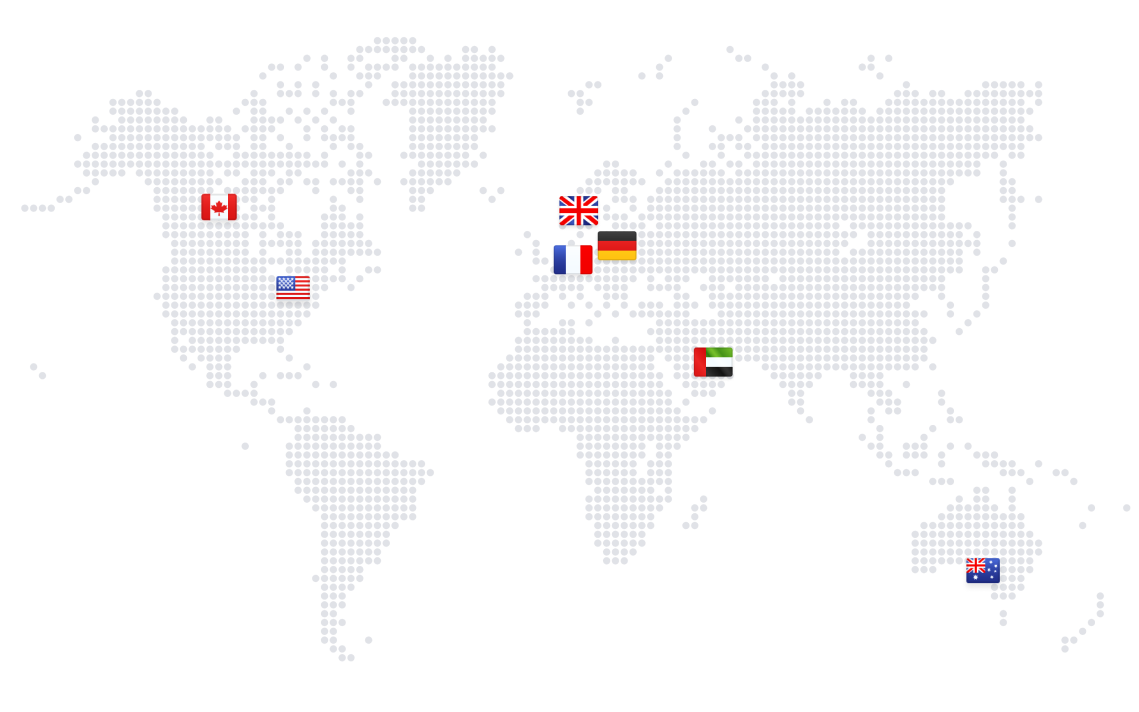
Exceptional student experience
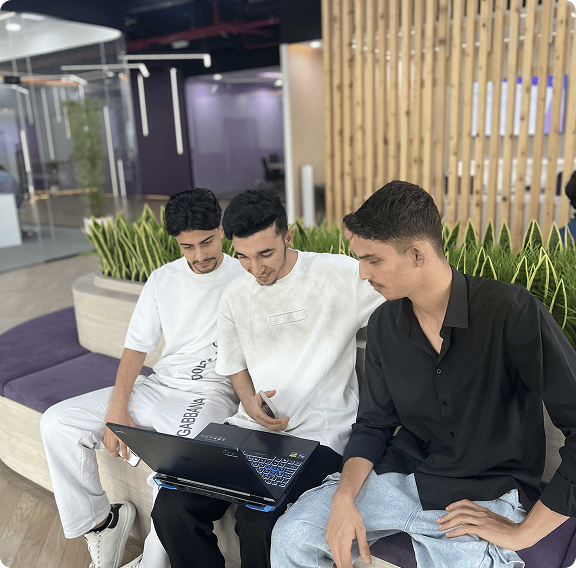
Every class, workshop and assessment happens on campus in Dubai, taught in person by tutors who know your name. The MyIBTE student portal handles everything around the teaching timetables, assignments, results, attendance and fees in one place so the administration of studying never gets in the way of the studying itself.

Testimonials
Hear from students who have already earned a British qualification at our Dubai campus.
The cybersecurity program at IBTE has equipped me with the skills to protect digital systems from cyber threats. The hands-on training and industry collaborations have given me real-world experience in ethical hacking and network security. I am confident in my ability to safeguard organizations in the digital age.

Khalid Al-Mansouri
United Arab Emirates
The computing program at IBTE has empowered me to become a skilled software engineer. The hands-on projects and internship opportunities have allowed me to gain practical experience and stay up-to-date with the latest technologies.

Carolina Fernandez
Argentina
Studying business at IBTE has given me a well-rounded understanding of various business disciplines. The program's focus on entrepreneurship and strategic management has prepared me to thrive in a competitive business landscape.

Ahmed Mansour
Libya

Start your application for the next intake
Tell us where you have studied so far and our Dubai admissions team will map the fastest route to a British qualification for you usually within two working days.
Get started
Our Dedicated Support Is At Your Service.
Need help?
Our friendly team is ready to assist you and provide answers to any inquiries. To explore becoming a student, visit our Admission page. To learn more about tuition fees, refer to our Tuition Fees.

We're available Everyday from 10am – 6pm (Dubai local time)

Our team usually reply within 24 hours

Live chat support is available with limited availability based on agent availability and working hours. For urgent queries, please contact us via phone.

If you have time limitations or calling restrictions and would like us to call you, simply provide the following information.